3D-Printed Orthotics: Systems, Variability, and Why AI Won’t Replace Humans
Shrenik Jain sits down at Makelab HQ in Brooklyn to talk through the ins and outs of producing MJF nylon parts at a production facility.
 Cinerita Andrandes
 Shrenik Jain
Chapters
The conversation
Navigating the Future of Additive Manufacturing: Insights from an Industry Engineer
The evolving landscape of additive manufacturing, often known simply as 3D printing, has sparked conversations across the tech and healthcare industries. In our latest episode of "Talking Design & Engineering," we had an enriching conversation with Shrenik, a seasoned 3D printing operations engineer at iOrthotics USA. He shared his unique insights on the current state and future trajectory of additive manufacturing, especially in the realm of custom orthotics.
A Realistic View of Technology
Shrenik emphasizes that despite the hype around AI and automation, the future of manufacturing is not as automated as many presume. He argues that human interaction and nuanced understanding of processes are irreplaceable. Automation will augment tasks but not eliminate the need for skilled human intervention. The key is designing around systems that enhance efficiency rather than anticipating a robotic takeover.
The Art of Scaling: Custom Orthotics at iOrthotics USA
The challenge of scaling production in custom orthotics lies in managing variability. Shrenik discusses how iOrthotics faced this by standardizing inputs and treating the entire system as an ecosystem, rather than focusing on individual components. This holistic approach has allowed them to handle an increase in orders, with about 70,000 pairs printed annually, a number expected to double soon.
Bridging Two Industries: AM and Orthotics
One of the recurring challenges Shrenik highlights is the disconnect between the advancing capabilities of additive manufacturing and the healthcare sector's need for consistent outputs. He calls for a deeper integration of AM technology with healthcare needs, ensuring that systems cater specifically to medical applications rather than relying solely on novel materials and improved printer capabilities.
Addressing Industry Misconceptions
A common misconception about additive manufacturing is its portrayal as a quick and easy process. Shrenik debunks this by pointing out the complexities involved beyond just acquiring a printer. The broader system, including design software, post-processing tools, and quality control, plays a crucial role in successful 3D printing operations.
The Role of AI: Enhancing, Not Replacing
Though AI is often hailed as the ultimate tool for innovation, Shrenik sees its role as one that supplements human creativity and problem-solving abilities rather than replacing them entirely. Particularly in orthotics, AI can streamline design processes but doesn't eliminate the need for expert design and understanding of biomechanics.
Future Prospects and Beyond
Looking ahead, Shrenik foresees a shift in focus from developing new materials and printers to improving the integration of existing technology into scalable systems. The future, he believes, depends on building efficient systems that can adapt and grow with technological advancements.
In conclusion, the conversation with Shrenik provides an indispensable perspective on the nuances of additive manufacturing. As industries continue to evolve, understanding the symbiotic relationship between technology and human expertise will be key in shaping a sustainable and innovative future. Join us on "Talking Design & Engineering" for more insights into the dynamic world of design and manufacturing.
More episodes
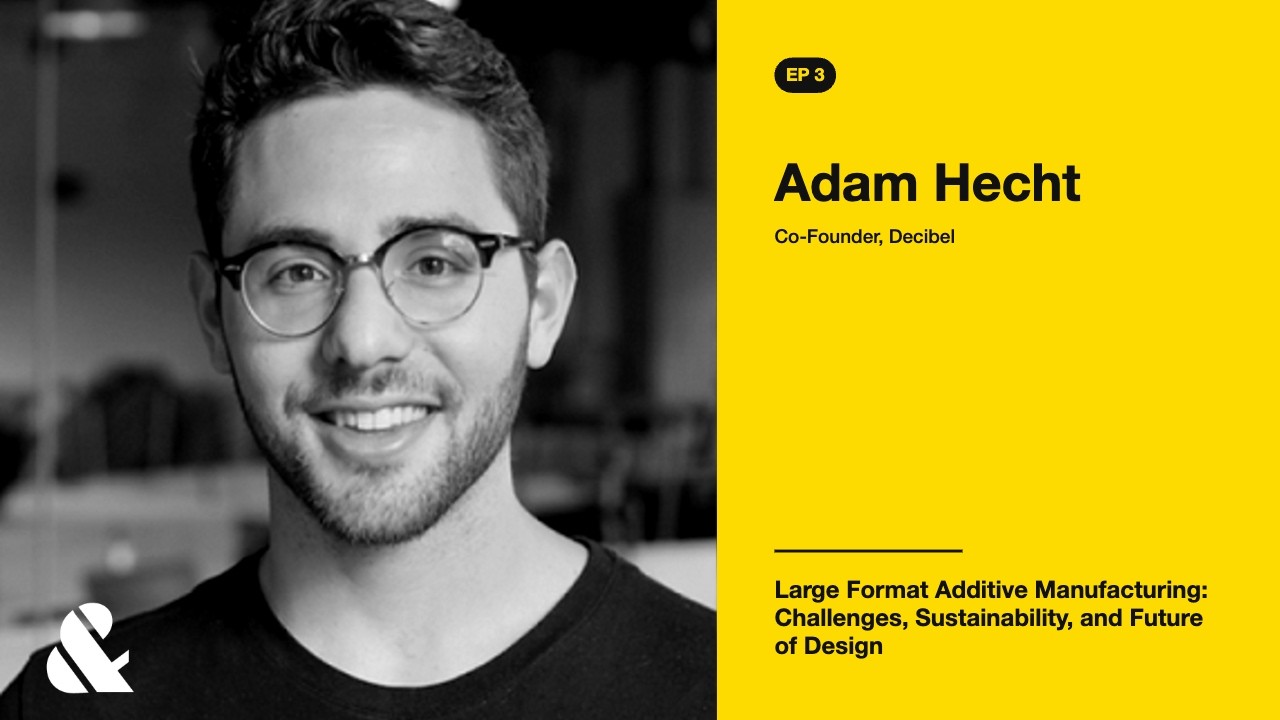 S2 · EP 03
Large Format Additive Manufacturing: Challenges, Sustainability, and Future of Design
 S2 · EP 02
AI in Engineering: Challenges, Innovations, and the Future of Manufacturing
 S1 · EP 1165:57