Reinventing the Pilates Reformer
Kaleen Canevari spent years on one machine. Flexia is the result — smart, connected, and unlike anything in your studio.
 Christina Perla
 Kaleen Canevari
Chapters
The conversation
Kaleen Canevari didn't set out to reinvent the Pilates reformer — the 100-year-old wooden machine that's still the centerpiece of most Pilates studios. She set out to own one at home. What followed was a six-year detour into mechanical engineering, hardware design, and a very specific kind of category heresy.
Canevari is a former dancer and reformer instructor who discovered, the way most hardware founders do, that the problem she wanted to solve was much harder than she'd imagined. A smart reformer sounds like a connected-fitness pitch. Building one that actual instructors will teach on is a mechanical engineering project with a software layer on top, not the other way around.
Flexia, the company Canevari founded, makes a smart reformer for the home. "Smart" here isn't a marketing word. The machine has sensors that track resistance, pulleys that auto-adjust, and a digital layer that guides workouts. Canevari is clear that the software is the easy part. The hard part — the years-long part — was making the machine feel like a reformer should: quiet, solid, and trustworthy under load.
""Everything before us was trying to make Pilates cheaper at home," Canevari says. "We were trying to make it better.""
The engineering of feel
▸ Chapter · resistance, iteratedThe conversation digs into the specifics of that engineering. Reformers operate on a narrow tolerance between "resistance that feels earned" and "resistance that feels broken." Canevari walks Perla through the iterations — spring systems tried and abandoned, pulley geometry that looked right on paper but wrong in the studio, the specific materials that delivered the feel without the industrial price.
She's specific about the moments the team got it wrong. An early version had spring rates that were correct by the numbers but felt mushy to instructors. Another had pulleys that were too efficient — smooth in a way that broke the feedback loop the exercise relies on. Each of these took months to diagnose and longer to fix. The machine that ships is the sixth serious revision.
The hardware story intersects with a specific 3D printing story. Flexia used rapid printing throughout the development cycle — for housings, for pulley geometry experiments, for the handful of load-bearing components where injection molding would have been prohibitive at prototype volumes. Canevari is generous with the details; the prototyping cadence is a big part of why the product shipped at all.
A category heretic
▸ Chapter · convincing the studiosCanevari is candid that Pilates is a suspicious community. The instructors who trained on wooden reformers look at a smart machine and see a compromise. Flexia's early marketing had to overcome that — not by arguing against the traditionalists but by making a machine the traditionalists couldn't dismiss. The first studio clients came reluctantly and stayed.
The strategy she describes is underrated in consumer hardware. Don't chase the mass market first. Chase the hardest customers, the most skeptical critics, the people whose approval converts the rest of the market. If Flexia had launched to consumers with no studio credibility, the product would be a footnote. Because it launched to studios first, the consumer pitch writes itself.
"The incumbents aren't your enemy. They're your authenticators."
The conversation turns practical toward the end. Perla asks what Canevari wishes she'd known at the start. The answer is about funding. Hardware companies need more capital than software ones, and founders who underestimate by 2x end up diluted or dead. Flexia raised late and raised harder than Canevari had planned; in retrospect, she'd have done the same thing a year earlier.
For anyone reinventing a legacy category, Canevari's lesson is that the incumbents aren't your enemy. They're your authenticators. If the hardest customers buy, the rest of the market follows. Flexia built the whole company around that order of operations, and it's the reason the product is in the studios it's in.
More episodes
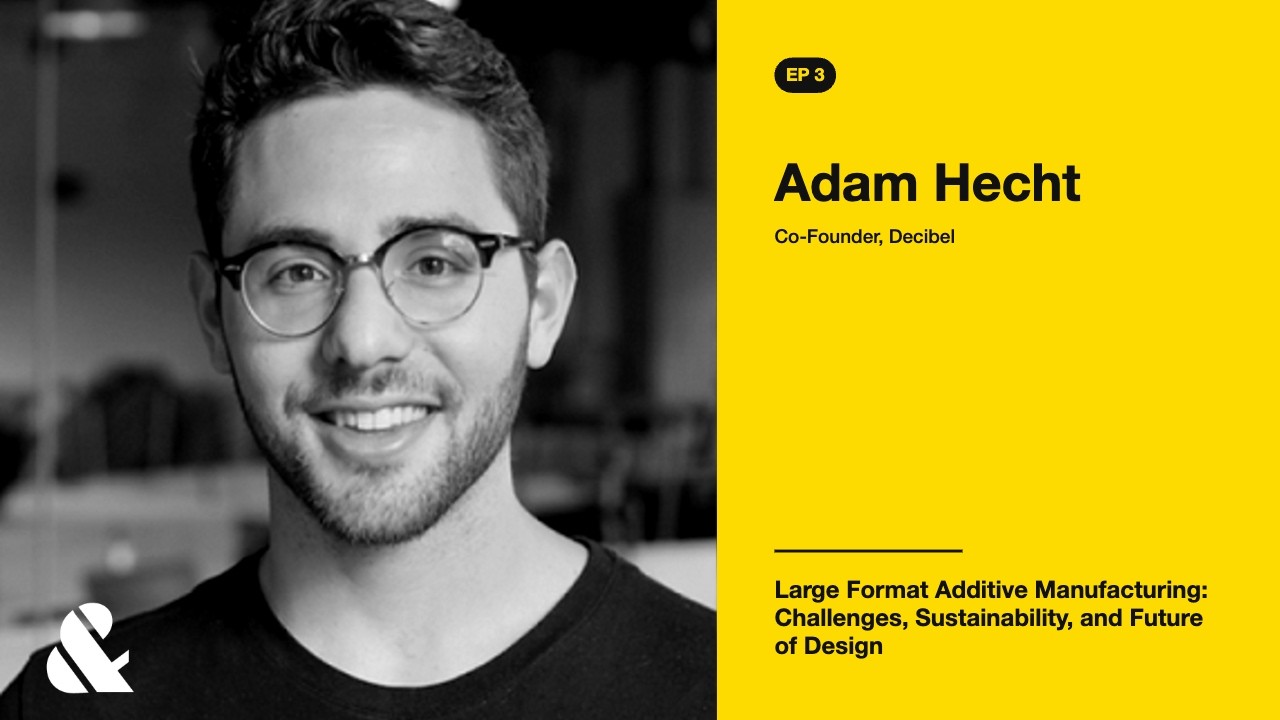 S2 · EP 03
Large Format Additive Manufacturing: Challenges, Sustainability, and Future of Design
 S2 · EP 02
AI in Engineering: Challenges, Innovations, and the Future of Manufacturing
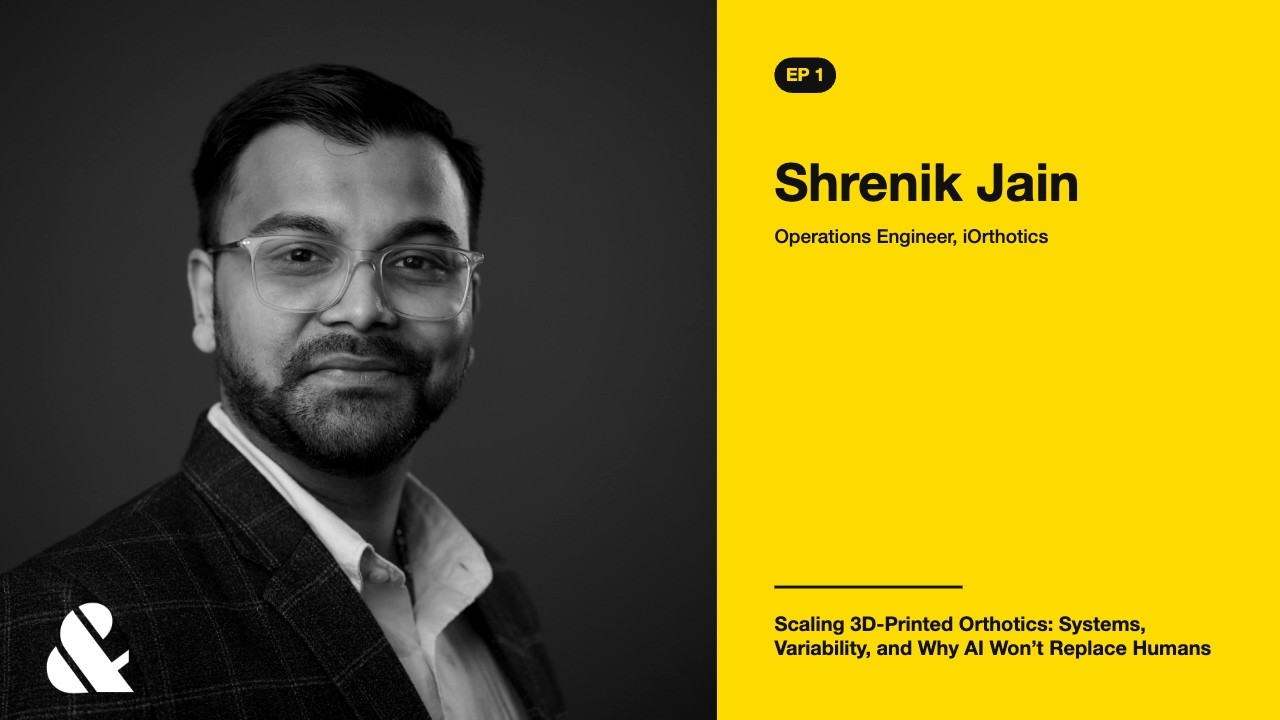 S2 · EP 01