Designing Products That Don't Age
Michael Bambino on the thin line between engineering and design — and how Facility builds products that stay timeless.
 Christina Perla
 Michael Bambino
Chapters
The conversation
Michael Bambino arrives at the conversation with the posture of someone who's spent too much time watching pretty products fail in the field. He runs Facility, an industrial design studio that picks its engagements carefully, and the through-line of his work is a refusal to let aesthetics outrun engineering.
The first few minutes of the conversation map the studio's DNA. Facility is small by design — a decade-old shop that turned down growth more than once because the work they wanted to do couldn't be done by headcount. Bambino doesn't say so directly, but the subtext is that he's watched too many peer studios chase scale into mediocrity.
He's blunt about the thing most design portfolios hide: the first round of product design rarely survives contact with manufacturing. At Facility, the answer has been to keep an engineer in the room from day one — not as a gatekeeper, but as a co-author. He describes this as a cultural choice, not a process one. It shows up in how they hire, how they structure projects, and which clients they say yes to.
""Timeless" is a word designers use carelessly. For Bambino it has a specific meaning: a product you'd still want after the trend cycle has moved on three times."
Against the cult of the rendering
▸ Chapter · Instagram-era IDThe strongest moment in the conversation is when Bambino pushes back on Instagram-era industrial design — the tendency to optimize for the hero shot rather than the hand-feel. He's not nostalgic; he's pragmatic. Products that photograph well but feel cheap in use are, in his framing, a fraud on the customer.
Facility's studio practice leans old-school. Physical prototypes early and often. Material samples pinned to a wall. Ergonomics work done on printed mockups before anyone opens Keyshot. Bambino describes putting printed prototypes in a client's hand on week two of every engagement. The feedback that comes back is always different — and more useful — than any amount of screen review.
He's specific about why this matters commercially. A studio that photographs well wins new business; a studio whose products feel right wins the ten-year client. Facility has traded the former for the latter, and the client list reflects it: kitchenware, furniture, and tool brands whose engagements span multiple product cycles and whose referrals are what keep the studio full.
What Facility says no to
▸ Chapter · picking workThe selection criteria Bambino describes are unusually clear. They pass on projects where the client wants renderings but not the engineering work to back them up. They pass on anything where the aesthetic brief and the manufacturability brief don't rhyme. They pass on clients who treat design as a line item rather than a competency. It's a harder business model, and Bambino admits it's taken years to build a client base that respects it.
The payoff is that Facility's shipped products last. Their kitchenware and furniture clients still sell pieces designed a decade ago — objects whose industrial designer would now be several generations of Smart Object away. That kind of longevity, in his framing, is the only real KPI. Everything else is marketing.
Perla presses on the operational detail: how Facility staffs engineering, how it prices the integration, what happens when a client pushes for a pure-aesthetic sprint. The answers are specific enough to be useful and honest enough to feel like shop-floor talk. Facility isn't trying to scale to everyone — they're trying to be the studio for the brands that already know the answer to "why does engineering matter" and just need someone who works that way.
""If the aesthetic brief and the manufacturability brief don't rhyme," he says, "we've already lost.""
The conversation closes with Bambino's advice to junior designers, which is plainer than you'd expect: learn to sketch, yes, but also learn to read an engineering drawing. The designers he hires aren't the best renderers — they're the ones who understand what happens after the rendering. In a market that rewards the opposite, he acknowledges this is a countercultural hire. It's also, he insists, the only hire worth making.
More episodes
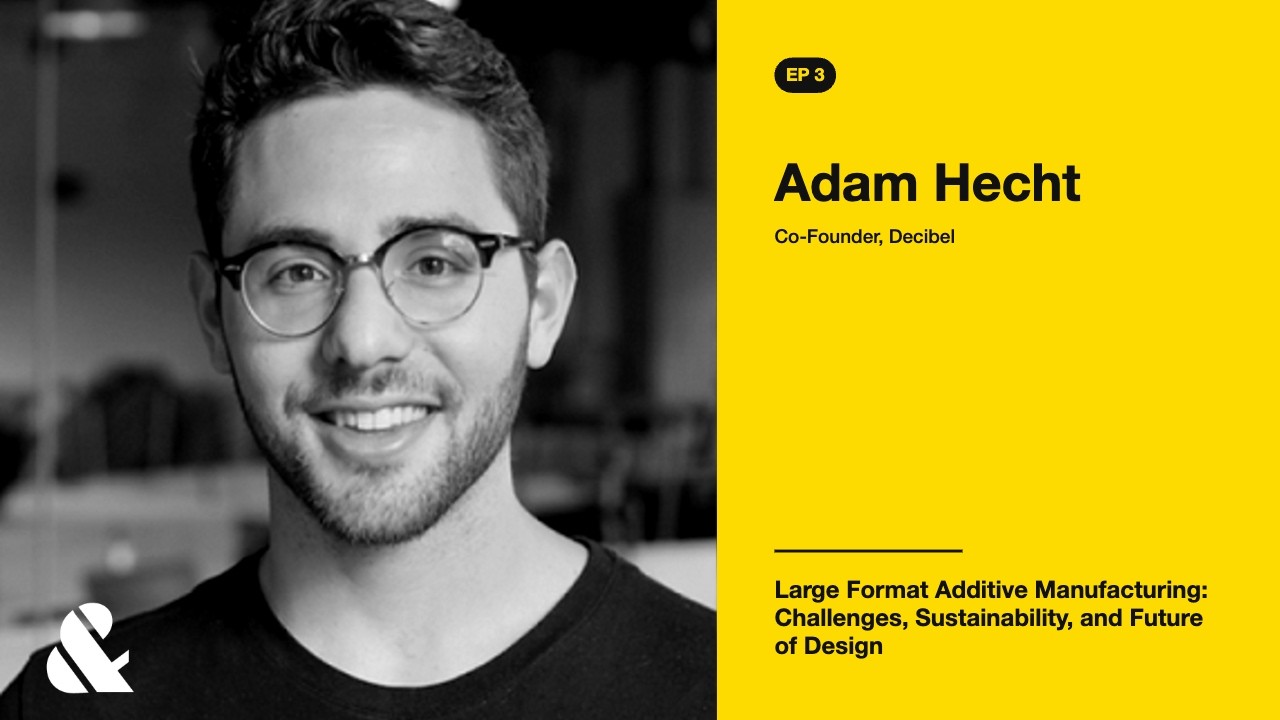 S2 · EP 03
Large Format Additive Manufacturing: Challenges, Sustainability, and Future of Design
 S2 · EP 02
AI in Engineering: Challenges, Innovations, and the Future of Manufacturing
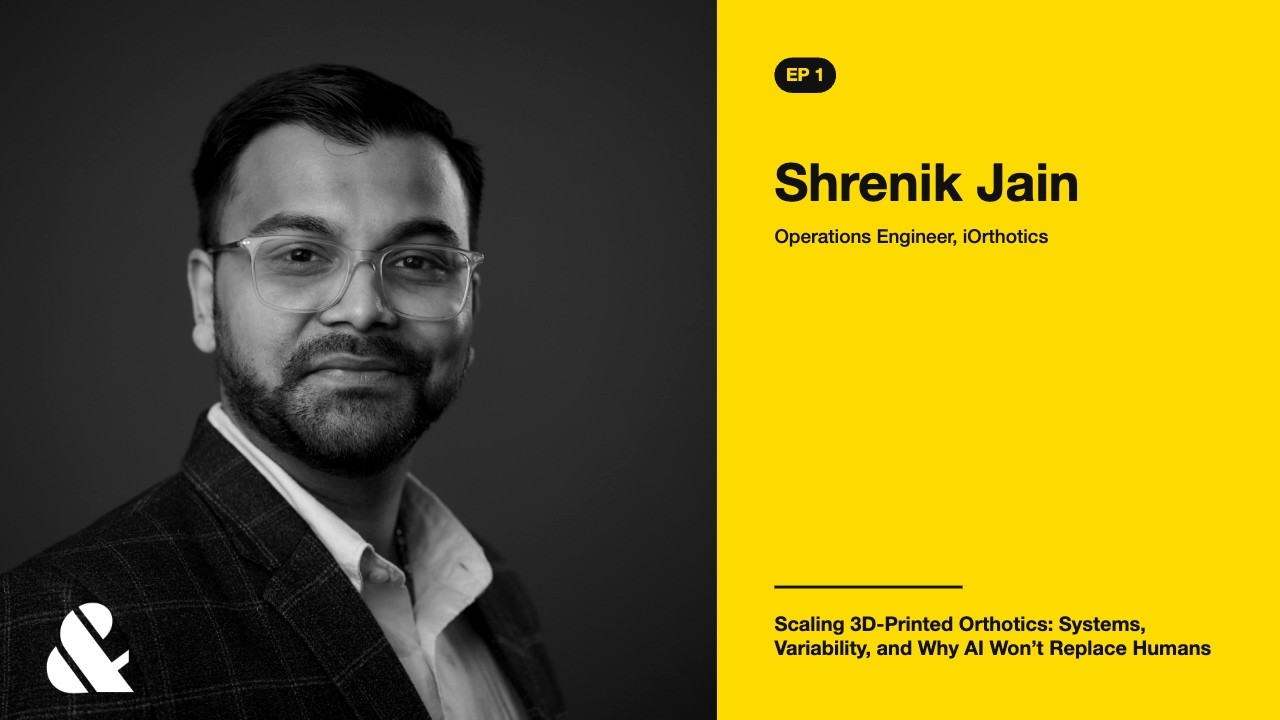 S2 · EP 01