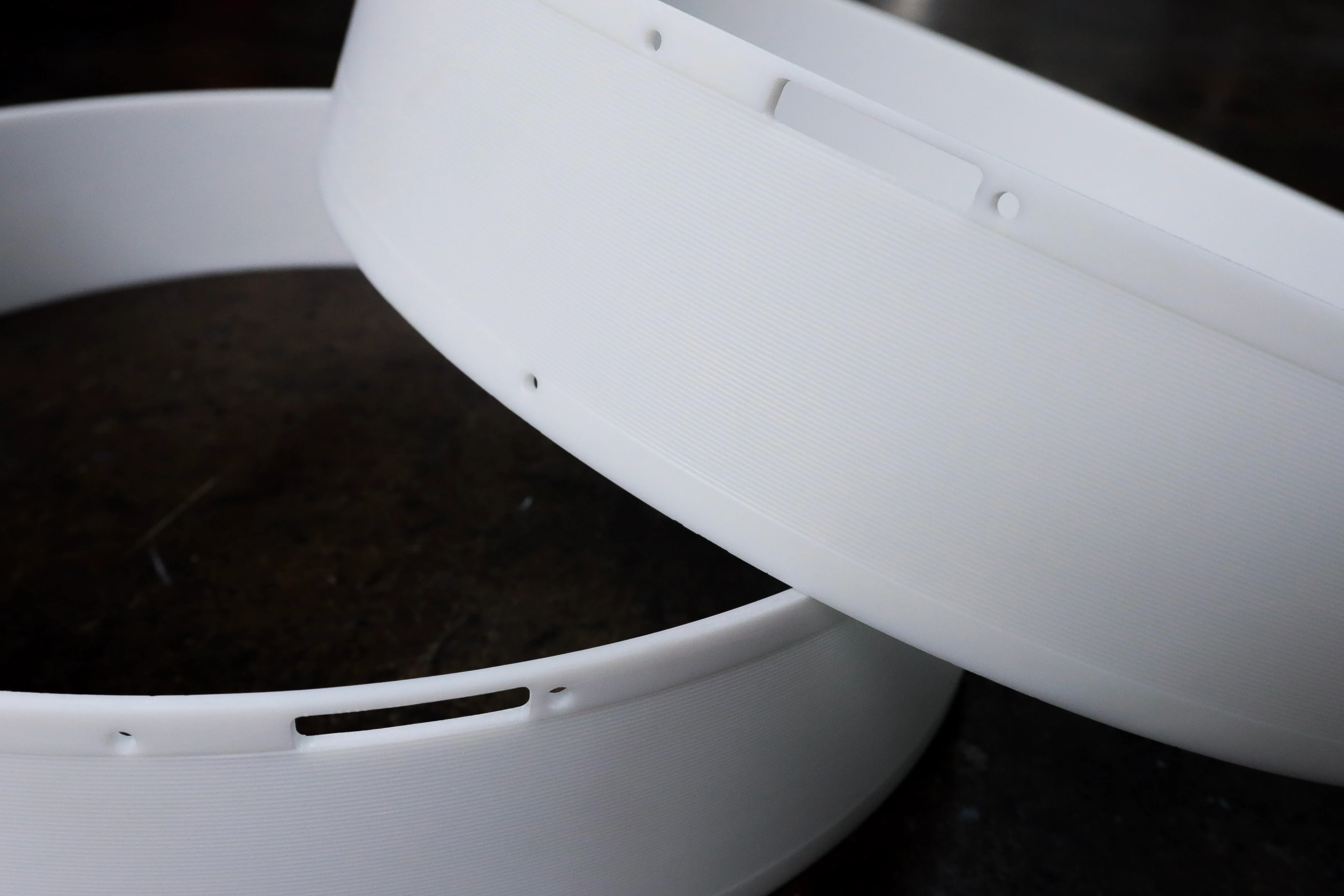
SLA has never been more accessible. What used to be limited to industrial systems is now sitting on desktops in studios, offices, and small labs. That shift has made iteration faster and given more teams the ability to build and test ideas early.
However, there is a growing assumption that all SLA is essentially the same. If it is resin-based and built layer by layer, the output should be comparable. In practice, that is where things start to break down.
Desktop SLA and industrial SLA share a process, but they do not deliver the same outcomes. That difference is easy to overlook early on, especially when parts look good coming off the printer. It becomes much more obvious when those parts are used to make decisions around performance, fit, or production.
Where Desktop SLA Starts to Show Its Limits
We see a consistent pattern with teams using desktop SLA in-house. Parts can come off the printer looking clean and well-resolved, and it is natural to assume that what you are seeing reflects how the part will perform more broadly. The differences tend to become more apparent once precision, repeatability, and functional performance actually matter.
Desktop SLA systems are designed for accessibility and speed. They are effective for visual models, early iterations, and detailed features. But they also introduce variability that tends to show up in more structural or geometric ways.
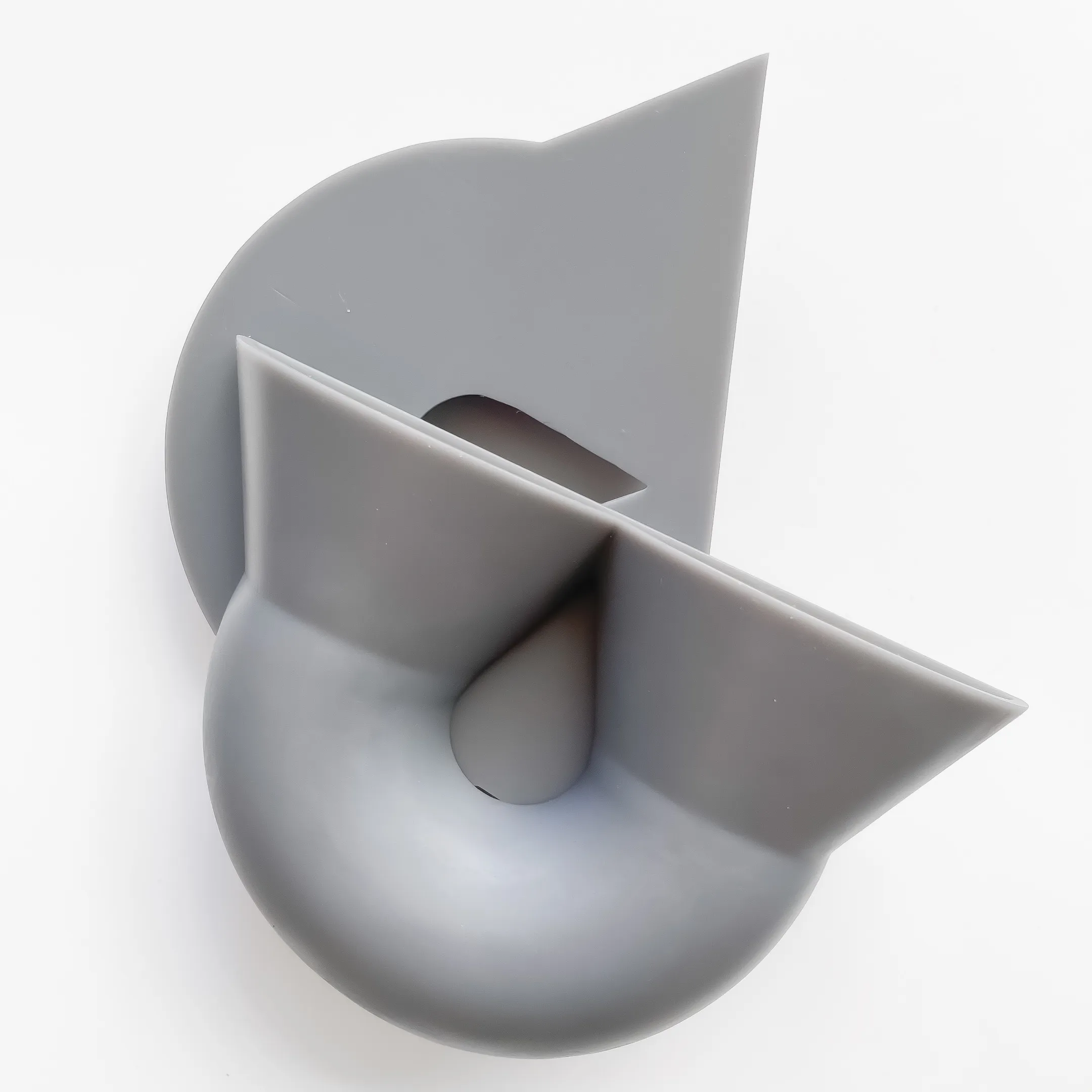
Certain forms make this more obvious. Boxy parts or designs built around sharp 90 degree angles tend to be less reliable than they appear. Large flat surfaces can lose definition, and edges often soften slightly. It is not quite warping, but you start to see extra material where it wasn't intended, which can affect fit and alignment.
This is closely tied to the process itself. Desktop SLA systems, particularly those that rely on a peel mechanism, introduce force each time a layer separates from the tank. Over the course of a build, that force adds up. Wider, flatter geometries are more susceptible, and slight drooping becomes more likely as parts grow or as surfaces broaden. This is not necessarily a design mistake, but a characteristic of the process.
Interestingly, high-detail features tend to perform very well. Smaller, intricate geometry distributes those forces differently, which often results in parts that look highly refined at a detailed level while still carrying some variability in their overall structure.
For early-stage work, this is usually acceptable. Where it becomes a challenge is when those same parts are used to make broader assumptions about performance or manufacturability.
What Changes with Industrial SLA
Industrial SLA operates on the same underlying principle, but the process is controlled in a way that changes what can be relied on.
With a larger resin vat and a top-down laser approach, parts are supported by the surrounding material as they build. This reduces the dependence on supports and minimizes the impact of gravity during the process. The build environment is more stable, and that stability translates directly into the output.
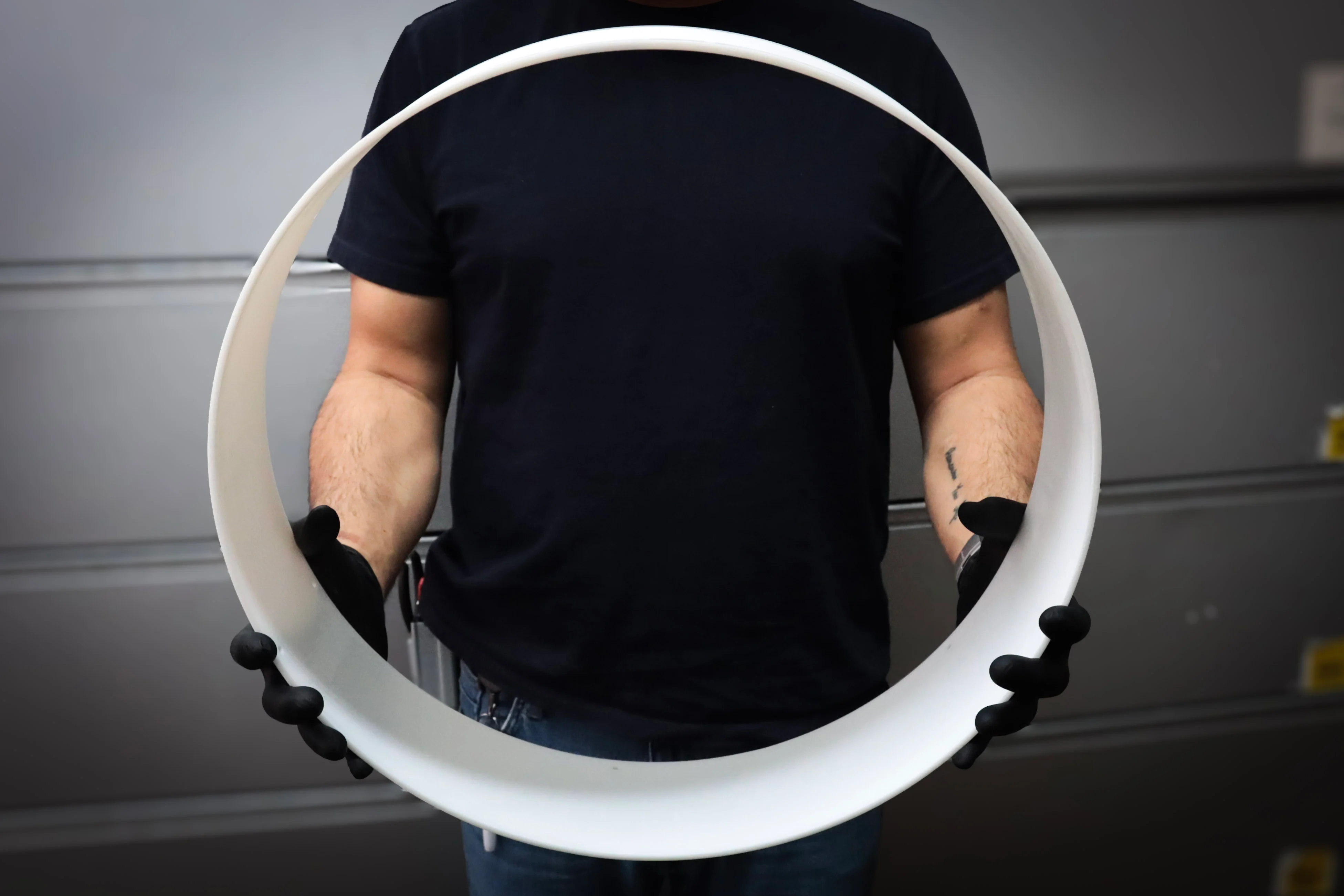
Tolerances are more predictable. Surface quality is more consistent across parts and across batches. Post-processing behaves in a more repeatable way rather than needing to be adjusted from one build to the next.
In many systems, larger scan areas or multiple lasers also allow for bigger parts and more efficient builds without introducing additional variability. As parts increase in size, this becomes especially important. Weight, geometry, and time in the machine all start to matter more, and process control plays a larger role in managing those variables.
At this stage, the conversation shifts from what can be printed to what can be trusted. Of course, that level of process control comes with a different cost structure. Industrial SLA systems, materials, and operating environments are significantly more expensive than desktop setups, which is part of why desktop SLA has become such an attractive tool for internal iteration. The tradeoff is not simply about print quality. It is about deciding when speed and accessibility are enough, and when repeatability, precision, and performance validation justify a more controlled process.
Designing for the Process, Not Around It
This is where designing for additive manufacturing becomes less theoretical and more practical.
If you are working with desktop SLA, it helps to design with its constraints in mind. Orientation, support strategy, and geometry all influence the outcome more than many teams expect. Certain forms, especially flat planes and sharp angles, benefit from early evaluation rather than adjustment after the fact.
If you are working with industrial SLA, the expectations change, but the need for intentional design doesn't go away. The difference is that repeatability, scale, and functional performance become more reliable inputs, which allows for more meaningful validation and decision-making.
The challenge is not choosing one over the other. It is understanding that each process supports a different stage of development, and designing accordingly.
Why This Distinction Matters Early
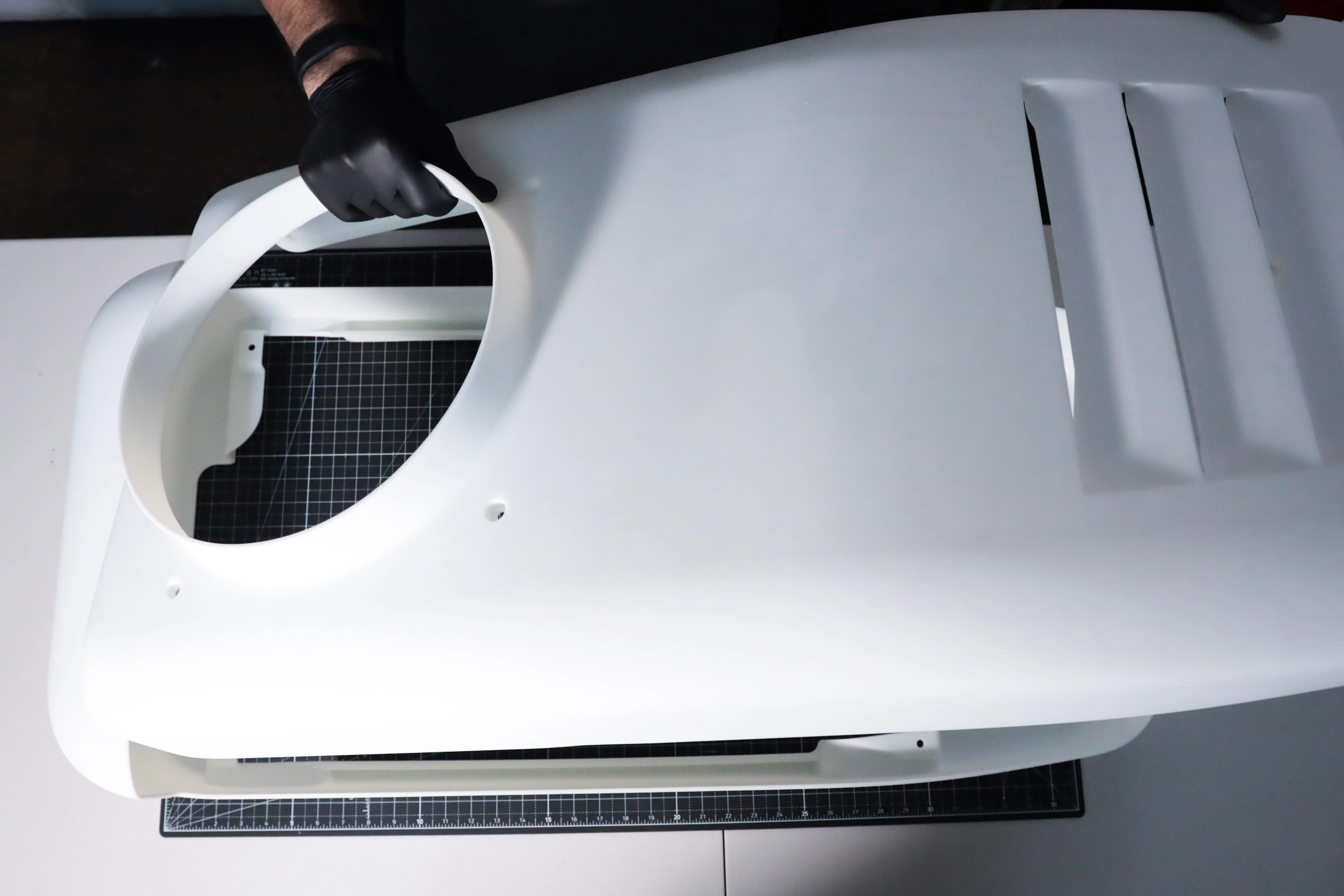
As more teams bring desktop SLA in-house, the line between prototyping and production can start to blur. That accessibility is valuable, but it can also lead to decisions being made on parts that were never intended to carry that level of weight.
Early design decisions tend to carry forward. They influence tooling, production strategy, and how a product performs once it is out in the real world. When those decisions are based on outputs that include hidden variability, that risk compounds over time.
In practice, this is where the difference between a smooth transition to production and a series of late-stage adjustments starts to take shape.
Desktop SLA is a powerful tool when it is used for what it is best at. Industrial SLA becomes critical when consistency, scale, and reliability start to matter more.
Treating them as interchangeable can feel efficient in the moment, but it often creates more work later.
Understanding where each fits, and designing with that in mind, is what allows teams to move forward with more confidence and fewer surprises.